A Song of Cork and Hands
A Glimpse into the Soul of Nordica Liners
There is a recurring idea, a theme that returns throughout culture like the riff of an electric guitar in a well-played rock song: more important than what appears on the surface is what lies beneath, in the depths—what flows below and lends solidity and substance to whatever we manage to grasp through our most immediate perception.
We touch, we look, we smell, yet there is always within us the powerful awareness that beneath these gestures something more important lies hidden. Dante conceived of Heaven and Hell as a series of concentric, ordered circles: at the end of his long journey, at the center of all the spheres, stood absolute Good; in Freud, what is ineffable and deep conditions all the conscious behaviors and the outward appearance of each of us; and if the rational, methodical surface is entrusted to Dr. Bruce Banner, it is from the depths of instinct that the heroic alter ego Hulk emerges.
Nordica, for its part, can hardly refrain from following in the footsteps of the greats, and with the boots of the Machine Family it sets out along those same paths that rise, from the depths, toward the summits of excellence. Quality craftsmanship is nothing other than a very concrete way of making culture.
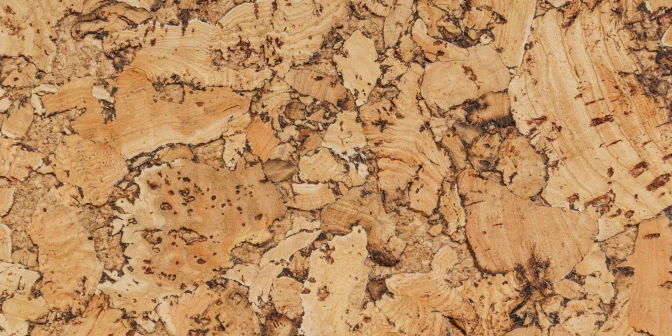
A tangle of roots furrows the darkness of the soil, fertile and saline, invisible beneath our feet. Each filament makes its way toward the light, growing inch by inch more substantial, more solid, more real. At the surface, the bark of a cork oak is chiseled by the precise, methodical strokes of a cork-stripper's blade. The soul of the Mediterranean Sea and the diversity of its people come alive, more vividly than ever, through the story of their materials.
Let us uncork a good bottle of wine and breathe in the scent of its cork stopper, and in doing so fill in the contours of one of the most familiar and emblematic images of the bond between us and the raw materials that symbolize and carry forward who we are. In the fragrance of cork, a soul and a structure reveal themselves. It is the residue of what lies below, hidden—the unsuspected Atlas that quietly bears up the most disparate works and worlds: cork is in the walls of our houses and in our cars, it is used for the thermal and acoustic insulation of cladding, in the production of design objects, in the building of musical instruments, and it has even found an application in the field of aerospace engineering.
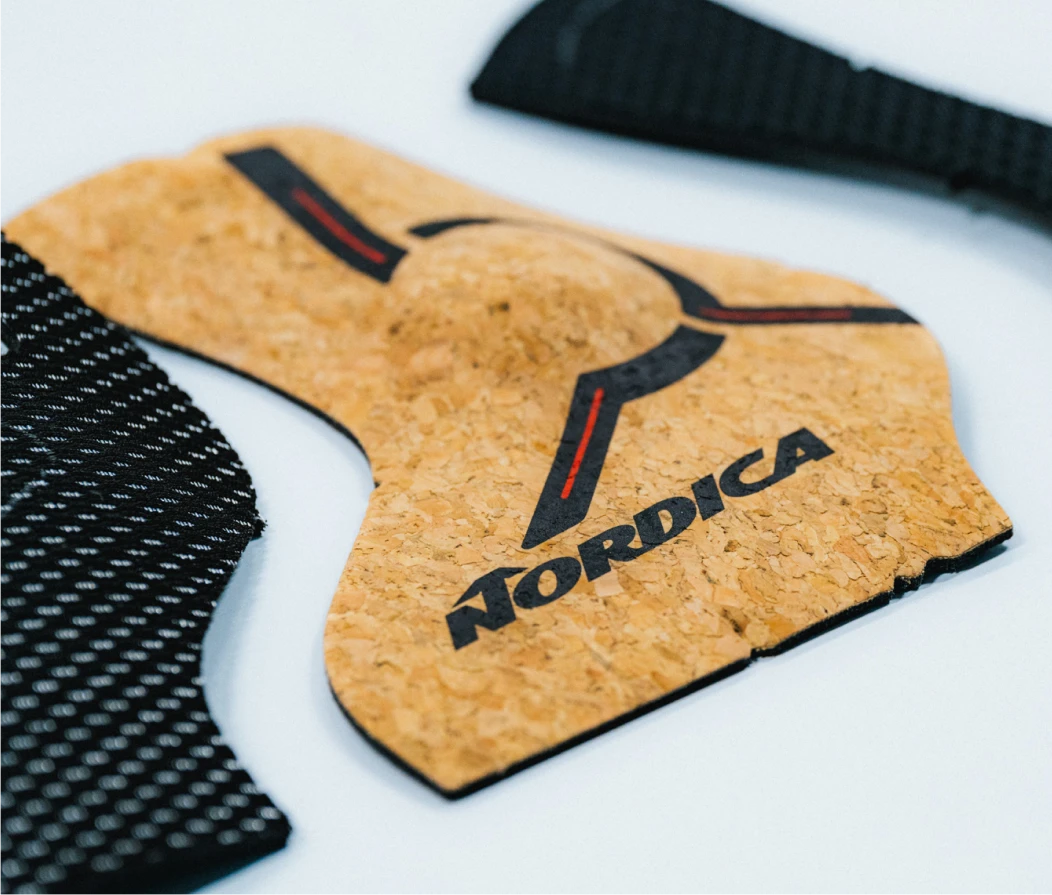
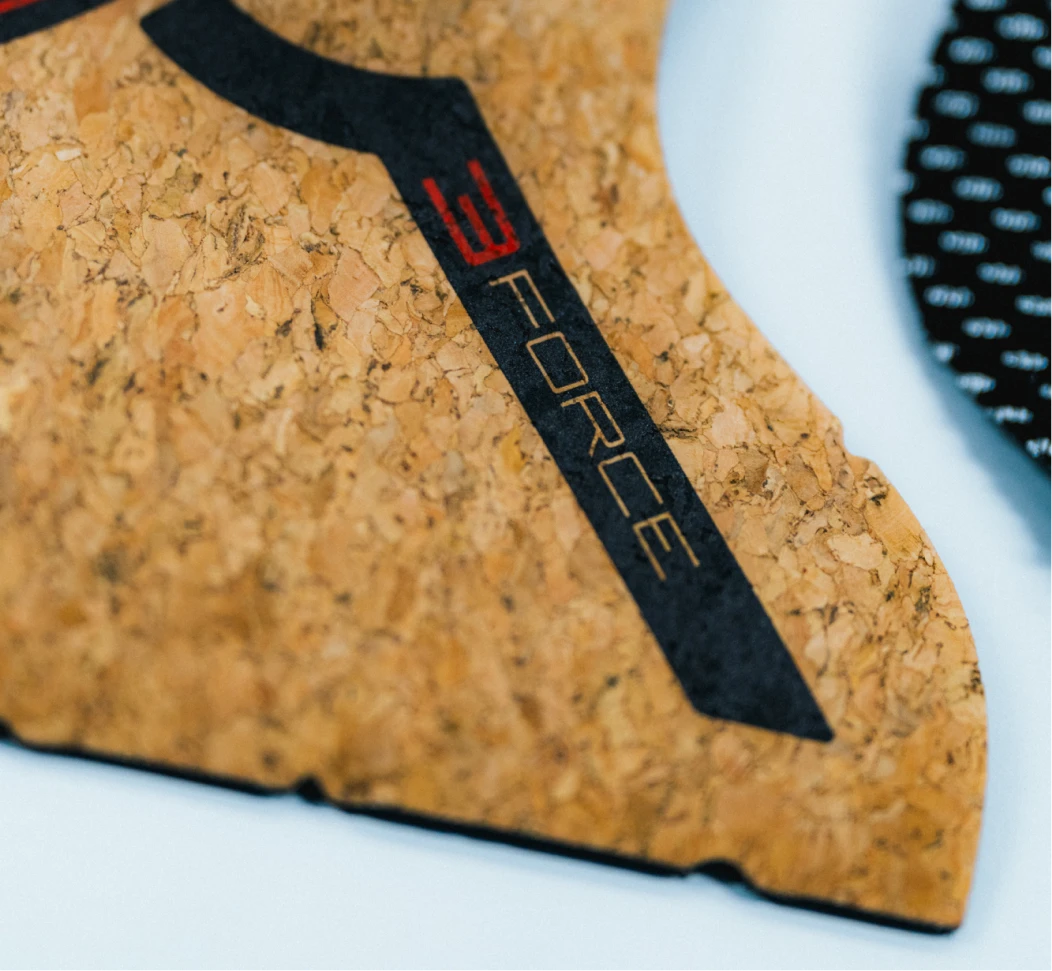
Nordica, with the boots of the Machine Family, has played and continues to play a pioneering role in the use of this material, which forms the fundamental element of the 3D Custom Cork system for heel housing, and of the Adjustable 3D Cork Tongue, ensuring even greater comfort in the fit thanks to the ease with which the tongue adapts to shin and ankle.
The properties of cork are the trait d'union, the connecting thread that makes possible the happy marriage between a fit that is comfortable and warm—thanks to excellent thermal insulation—and the high performance on the slopes that distinguishes the boots of the Machine range.
But the tale that cork tells us, as will by now be clear, does not stop at what we can grasp only superficially, at first touch: it is a tale of verticality, of depth, of how far down the roots of a work done properly are able to reach.
The turbulent times in which we live demand a reflection of broader scope, one in which it is impossible not to consider the need for a genuine and profound respect for the environment and the nature we inhabit. So it is where craftsmanship is concerned—but, come to think of it, it is a habit of mind that returns again and again throughout culture, as if to impart a good lesson too often left unheeded: from the Bible to Tolkien, the examples are beyond counting of myth-making narratives in which the human being is good only insofar as they manage to preserve their harmony with nature, without contaminating it.
This is the most radical sense of a truly ecological way of thinking, when all is said and done: to do the very most we can with what our home naturally places at our disposal, without ruining what is only given to us on loan. And so here is yet another brilliant secret revealed by the surface fantasies and the deep ones of cork: to choose this material is to take a side in favor of the ecosystem, to leave a mark precisely because, paradoxically, one has decided to leave as little as possible upon the environment we inhabit.
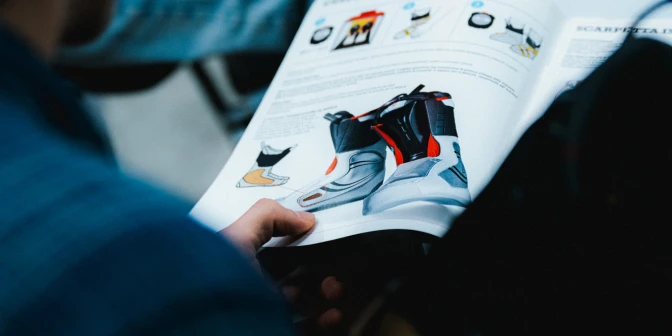
The idea of introducing cork into the manufacture of its boots has been at home at Nordica since the late 1990s. Its initial use, the Nordica development team explains to me, is to be found in a part of the padding which was made of a blend of cork and oil called sugherina, to adapt the padding to each and every skier’s feet. This cork paste lent itself well to taking on the shape best suited to the foot wearing the boot, making the liner as comfortable and enveloping as possible while still meeting the need to maintain top-level performance on the slopes. It was only a starting point, in many ways an experiment—but from its roots there then blossomed a conceptual and developmental journey that today allows the boots of the Machine Family to position themselves on the market as a benchmark and a yardstick in terms of quality.
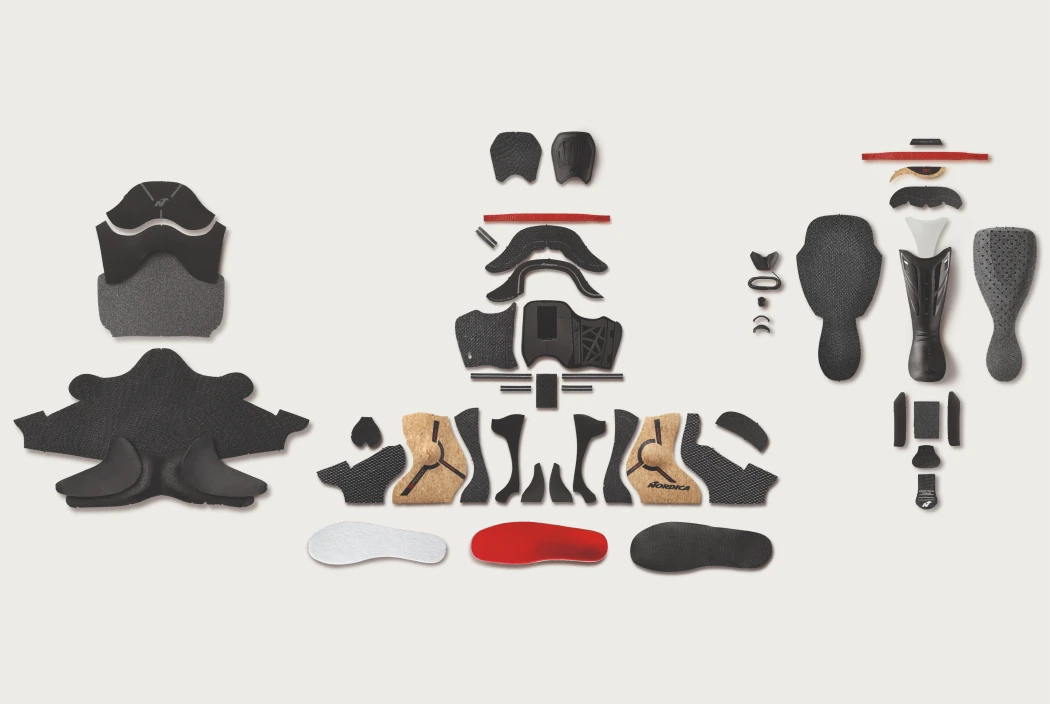
With the arrival of the 2000s and then the 2010s, starting from that sugherina padding, the decision was made to explore more deeply the possibilities offered by this versatile, low-impact material—and at the same time the cork soul of Nordica boots began ever more to come to light: as new models followed one another, cork inserts began to be visible on the cladding and on the boot's "exposed" parts as well, placing the material's characteristic surface patterns ever more at the center, even when it came to the approach to design and visual recognizability.
Today, the story cork tells us runs through the liner's cladding, its structure, and its padding; it is the ideal center from which the stories and functions of all the other materials used in producing an outstanding boot branch out.
Molded in 3D for the best possible fit, cork becomes the keystone of the steadiness and firmness of foot guaranteed in use—a boot that aims to be perfect for any skier just as it is, straight out of the box, but which, thanks precisely to the delicate versatility of cork, leaves ample room for personalizing the experience, allowing maximum adaptability and the possibility of making adjustments through heat-molding of the materials. Of course, all the refined development of so complex a product never loses sight of that respect for the environment I touched on a little earlier, which stands as the guiding light of a journey seeking to wed great craftsmanship with a positive reflection on the balances of our ecosystem: in many of their components, in fact, Nordica boots take their place along a path whose cornerstones are recycling and reduced environmental impact, with production chains that unite respect for the raw material with the need for it always to find its way toward a second life, toward a further use.
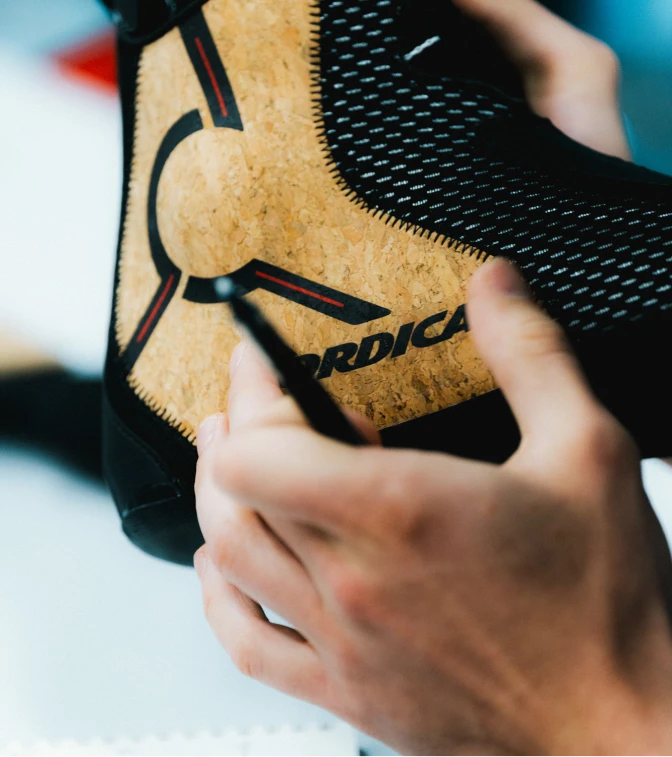
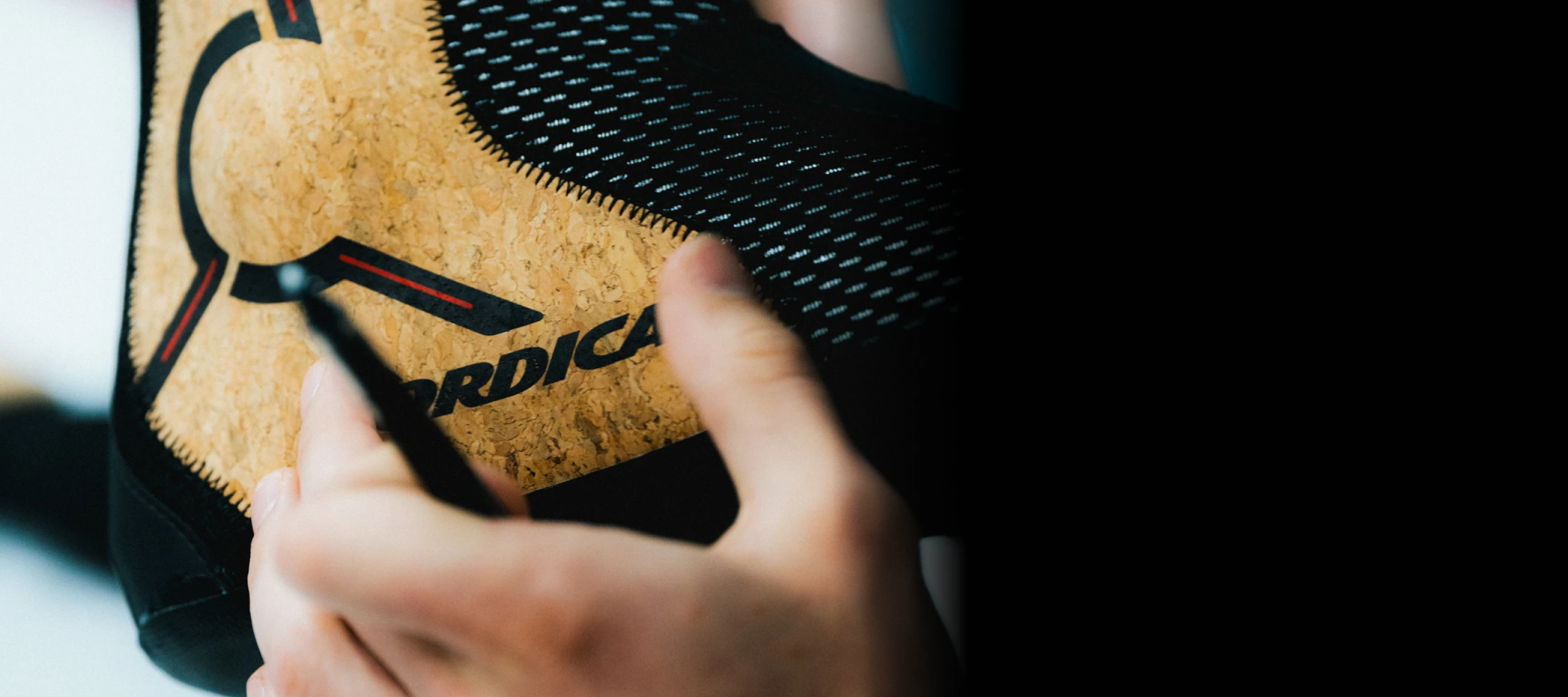
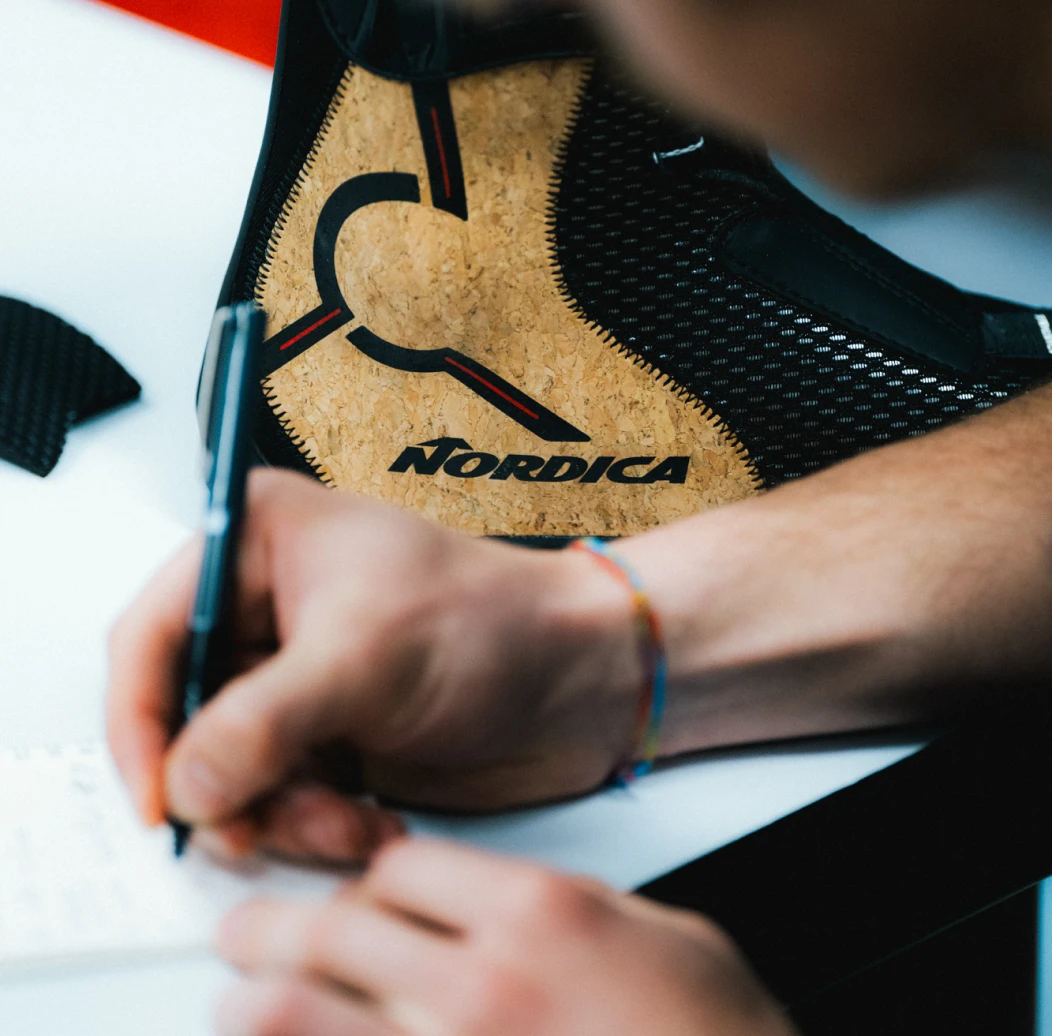
I appreciate the mastery of the stitching and the assembly, the harmony with which the cork converses with all the other materials the liner is made of, and in this caress I can feel the experience and passion of the artisans, of their capable, precise hands, of the time and love that lie behind the making of a remarkable product. I ask: how long? And one of the artisans answers me: "for a single liner? Forty-two minutes."